
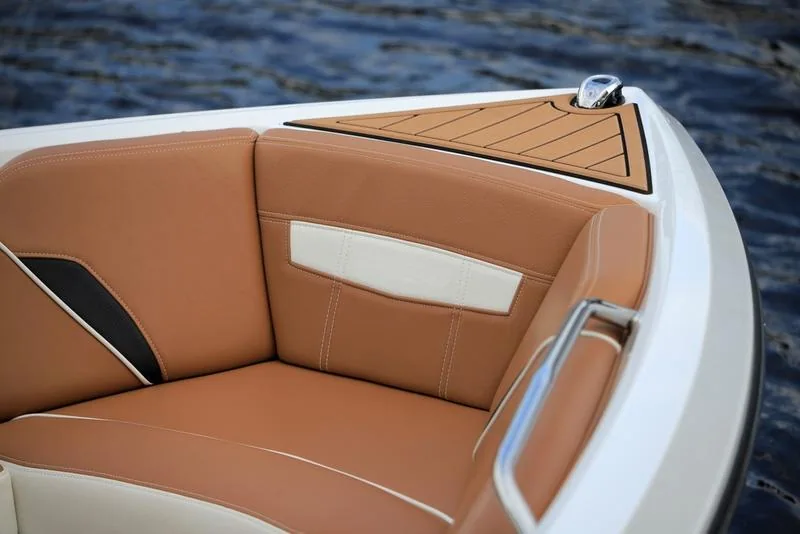
Boat interiors are designed to handle a challenging environment, but that does not mean they are maintenance-free. Sunlight, heat, water, sunscreen, food, drinks, dirt, and regular traffic can gradually damage upholstery, flooring, stitching, storage compartments, and other surfaces. For Lake Anna boat owners who spend much of the summer on the water, protecting the interior is one of the easiest ways to preserve comfort, appearance, and long-term resale value.
Sun exposure is one of the biggest threats to marine interiors. Ultraviolet rays can cause vinyl to fade, dry out, and eventually crack. Darker interior surfaces can also become extremely hot when exposed to direct sunlight for extended periods. Using a bimini or other shade system while the boat is in use can reduce some of this exposure while also making passengers more comfortable. When the boat is not being used, a properly fitted cover provides another layer of protection.
Regular cleaning is equally important. Dirt and spills that remain on upholstery can become increasingly difficult to remove. Sunscreen is particularly common on boats and can leave oily residue on vinyl and other surfaces. Wiping seating areas regularly prevents buildup and reduces the need for aggressive cleaning products later. Marine-safe cleaners are generally preferable because they are formulated for the materials commonly used in boats.
Owners should be careful with household cleaners. Strong chemicals can damage marine vinyl, remove protective coatings, or weaken stitching. Products containing bleach or harsh solvents may create immediate discoloration or longer-term deterioration. If you are unsure which product to use, check manufacturer recommendations or ask a marine service professional.
Moisture creates a different set of problems. Wet swimsuits, towels, and life jackets are part of boating, but leaving them inside closed compartments can contribute to mildew and unpleasant odors. After a day on Lake Anna, remove wet items and allow storage compartments to air out. If the boat becomes wet from rain or heavy swimming activity, allow the interior to dry before installing the cover whenever possible.
Boat covers should protect the interior without trapping unnecessary moisture. A cover that prevents airflow can create condensation beneath it. Proper ventilation helps reduce this problem. Owners who store boats outdoors for longer periods may also use moisture-absorbing products or ventilation accessories, depending on the storage situation.
Seats should be inspected regularly for small tears or loose stitching. Minor damage is often easier and less expensive to address before it spreads. A small split can become much larger as passengers continue sitting on the cushion and pulling against the material. Catching these issues early can extend the life of the upholstery.
Flooring also requires routine care. Sand, dirt, food crumbs, and other debris can become ground into flooring when passengers walk throughout the boat. Regular vacuuming or rinsing, depending on the flooring material, helps keep the interior cleaner. If the boat has removable flooring components, follow the manufacturer's recommendations for cleaning and drying them.
Food and drinks are another major source of stains. A spilled drink can quickly reach seams and storage areas, particularly if the boat is moving. Cleaning spills as soon as possible reduces staining and prevents sticky residue from attracting more dirt. Consider using cups or bottles that can be secured in cup holders, especially when the boat is underway.
Shoes can also contribute to wear. Many boat owners encourage passengers to remove dirty footwear before boarding. This helps prevent sand, mud, gravel, and other debris from damaging flooring or scratching interior surfaces. Creating a designated area for shoes also keeps the boat more organized.
Board storage is important because wakesurf boards and wakeboards can damage the interior if they are constantly placed on seats or allowed to move around while the boat is underway. Tower-mounted board racks help keep equipment secure and free up interior space. Riders should also be careful with fins because they can scratch or puncture upholstery if a board is placed carelessly.
Pets can create additional wear as well. Dogs may scratch seats or flooring with their nails, and wet fur can introduce significant moisture. Boat owners who regularly bring pets may want protective seat covers or designated areas where the animal can sit comfortably without damaging the interior. Bringing additional towels can also help dry the pet after swimming.
Storage compartments deserve attention because they can hide moisture or spills that are not immediately obvious. Open compartments periodically and inspect them for water, mildew, or odors. Make sure drains are clear and that nothing is blocking airflow. Storing equipment neatly also reduces pressure against compartment walls and hinges.
The helm area should also be protected. Touchscreens, gauges, switches, and steering components are built for marine use, but they still benefit from proper care. Avoid spraying cleaners directly onto electronics. Instead, apply the appropriate product to a cloth and wipe the surface carefully. Keeping screens clean also makes them easier to read in direct sunlight.
Metal hardware should be inspected for corrosion. Even on freshwater lakes, moisture can affect hinges, fasteners, cup holders, tower hardware, and other exposed components. Wiping down metal surfaces and addressing early signs of corrosion can prevent them from becoming larger problems.
A good boat cover is one of the most valuable interior-protection tools an owner can have. The cover should fit securely and prevent water from collecting in low areas. Pooling water can stretch fabric and eventually leak into the boat. Support poles or properly designed cover systems can help maintain the correct shape.
Owners should also think about winter storage. Before the boat is stored for the offseason, clean the interior thoroughly and make sure everything is dry. Remove food, wet equipment, and unnecessary personal items. Long-term storage can amplify small moisture or cleanliness problems, so preparing the interior properly in the fall makes spring cleanup much easier.
Protecting the interior does not require hours of work after every boating trip. Simple routines make the biggest difference. Wipe down seating, remove wet items, clean spills, organize equipment, and cover the boat properly. Over the course of several seasons, these habits can significantly improve how the boat looks and feels.
For Lake Anna boat owners, a clean and well-maintained interior makes every boating day more enjoyable while also helping preserve long-term value. Mid-Atlantic Water Sports can help boat owners with maintenance, accessories, storage recommendations, and other resources designed to protect their investment throughout the boating season.