
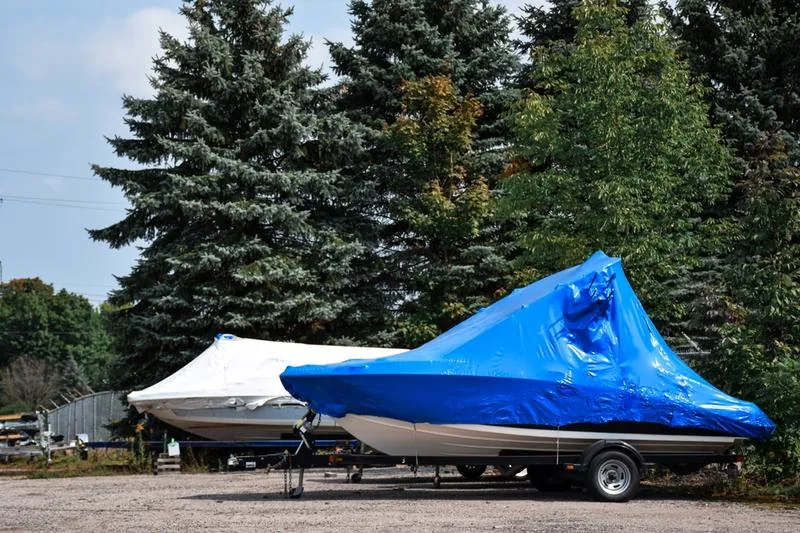
Winterization is one of the most important maintenance procedures for boat owners in Virginia. Even if winters around Lake Anna feel relatively mild compared with colder parts of the country, temperatures can still fall below freezing. Water trapped inside an engine, cooling system, pump, ballast line, or other component can freeze, expand, and cause serious damage. Proper winterization protects the boat during the offseason and makes it easier to return to the water when spring arrives.
The biggest concern during winterization is trapped water. Water expands when it freezes, and that expansion can crack engine blocks, manifolds, pumps, hoses, and other components. These repairs can be extremely expensive and may not become obvious until the boat is prepared for use again. Proper winterization removes water from vulnerable systems or replaces it with the appropriate protective fluid based on the manufacturer's procedures.
Timing is important because Virginia weather can change quickly. Boat owners sometimes wait for the first hard freeze before thinking about winterization, but by then it may already be too late. If your boating season is ending and freezing temperatures are approaching, it is safer to winterize early. The exact timing will depend on how long you plan to continue boating, where the boat is stored, and whether the storage area is heated.
Engine preparation is a major part of winterization. This may include changing the engine oil and filter, checking fluids, stabilizing fuel, treating the cooling system, and protecting internal components. Used engine oil can contain contaminants and moisture, so changing it before storage is often recommended. Fuel treatment is also important because gasoline can deteriorate during long periods of inactivity.
Wake boats require additional winterization steps because of their ballast systems. Ballast tanks, bags, pumps, hoses, and fittings can all retain water. If that water freezes, pumps or connections may crack. The ballast system should be drained thoroughly according to manufacturer procedures. Depending on the design, additional steps may be required to protect pumps and lines.
Heaters, shower systems, washdown pumps, and other water-based accessories also need attention. Any onboard system that carries water should be considered during winterization. Forgetting one small component can lead to damage even if the engine itself was properly protected.
Batteries should also be prepared for storage. A battery that remains partially discharged throughout the winter may lose capacity or fail completely. Disconnecting batteries or using an appropriate charger can help preserve battery health. Terminals should be clean and free from corrosion, and batteries should be inspected for swelling or damage.
The interior should be cleaned and dried thoroughly before covering the boat. Remove wet towels, food, drinks, and anything else that could attract pests or create odors. Upholstery should be cleaned with appropriate marine products and allowed to dry completely. Moisture trapped under a cover can contribute to mildew, staining, and deterioration.
Ventilation is important during winter storage. The boat should be covered, but the cover should allow enough airflow to reduce condensation. A cover that traps moisture can create problems even if it keeps rain and snow out. Some owners use moisture absorbers or ventilation systems during long storage periods.
The trailer should also be inspected before winter. Tires, bearings, brakes, lights, and frame condition should all be checked. If the boat will remain on the trailer for several months, proper tire pressure and storage location can help reduce unnecessary wear.
Winterization is also an ideal time to identify other maintenance needs. If the boat needs a propeller repair, upholstery work, audio upgrades, or other service, handling these projects during the offseason can prevent delays when spring arrives. Boat shops also become extremely busy as warm weather approaches, so offseason repairs can sometimes provide more scheduling flexibility.
Documentation matters as well. Keep a record of what was completed during winterization, including oil changes, fuel treatment, battery service, and any repairs. This creates a clear maintenance history and helps make sure no important step is forgotten when the boat is prepared for spring.
Trying to save money by skipping winterization can create much larger expenses later. Freeze damage can affect major engine components and may not always be covered by insurance or warranty. Proper winterization is inexpensive compared with replacing damaged mechanical systems.
For Lake Anna boat owners, winterization should be viewed as part of normal ownership rather than an optional service. Protecting the boat during the offseason helps preserve reliability, performance, and resale value. Mid-Atlantic Water Sports can help prepare boats for Virginia winters and ensure critical systems are protected before temperatures fall. A properly winterized boat gives you confidence that when warm weather returns, your boat will be ready for another season on the water.